

 Trade
Trade  Balance
  Deposit / Withdrawal
 Referral
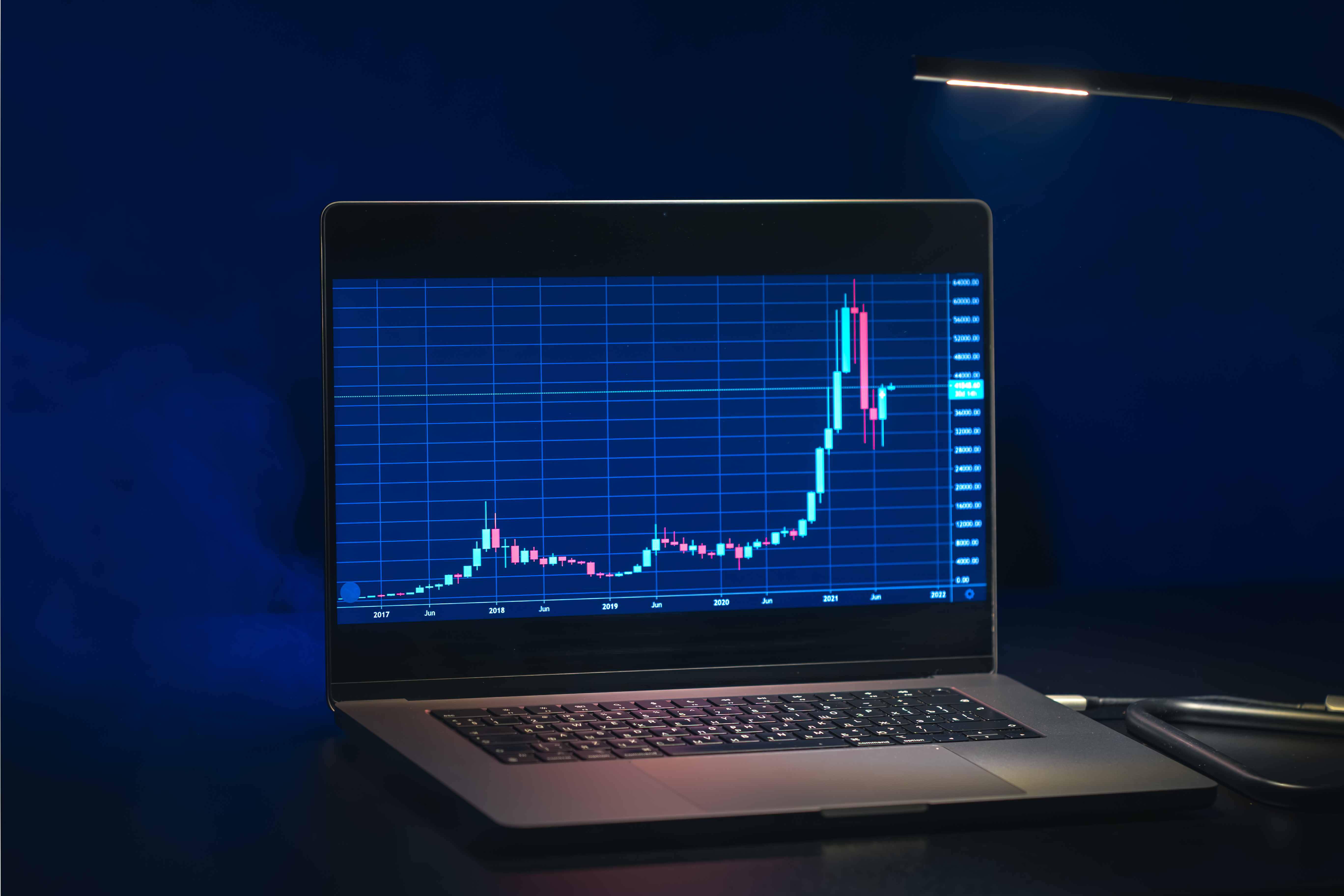
In the world of crypto, almost everyone says they’re “investing”. But “investors” who are checking candlestick charts five times a day, jumping onto coins that are gaining momentum, setting tight stop-losses before bed or reacting to every price swing, might not be investing. The likelihood is, they’re trading. Both crypto trading and crypto investing operate in the same market, use the same exchanges, often involve the same assets, and both aim to grow capital. But the way each activity approaches opportunity, risk, and timing, couldn’t be more different. Crypto investing is typically about positioning for long-term adoption, believing in a protocol, a network effect, or a macro trend and holding through cycles. While crypto trading on the other hand, is more about playing the market’s volatility, identifying price inefficiencies, reacting to dips and surges, and managing risk with pinpoint precision.
So, what exactly separates crypto trading from crypto investing? In this article, we explore.
Time horizon: playing the cycle vs. volatility
One of the clearest points distinguishing between crypto trading and crypto investing is the time horizon. Crypto investors typically position themselves for broader market cycles, which involves accumulating assets based on a long-term thesis, including network growth, token utility, institutional adoption, macro liquidity trends, or the impact of market-shaking events such as Bitcoin halvings or ETF approvals. For investors, short-term price swings matter less than the big picture. They are willing to HODL through volatility, consolidations, and even deep drawdowns if their conviction remains intact. The goal is to let value grow over time.
Crypto traders on the other hand operate on a much shorter clock. Instead of playing the full cycle, they focus on price action within it. That might mean intraday setups, multi-day swing trades, trading breakouts, fading overextensions, or entering positions around clear support and resistance levels. For crypto traders, volatility is something to exploit. They actively manage entries and exits, size positions based on defined risk, and aim to extract gains from momentum shifts rather than long-term adoption trends. Same market, same assets, but a completely different timeframe.
Risk & psychology: Conviction vs. reaction
Beyond time horizons, another real difference between crypto investing and trading is in how risk and emotion are managed. Crypto investors take on risk at the portfolio level. They spread their capital across assets, size positions with a long-term view, and they're comfortable with the fact that volatility is just part of the journey. A 30% correction isn't necessarily a reason to sell, as it's just part of a bigger cycle. Investing often requires a strong stomach, especially in the crypto market. Investors need to be able to stick to their guns through dips, tune out short-term fluctuations and keep their eyes on the prize, even when the market tries to throw you for a loop.
Crypto traders operate very differently. Risk is defined at the position level, and often before the trade has even been entered. Stop-loss placement, risk-to-reward ratios, leverage exposure, and liquidation levels are all top considerations. Decisions are made faster and mistakes are punished quicker. Emotional discipline is critical because overtrading, revenge trading, or abandoning a trading plan can erode capital in markets as volatile as cryptocurrency.
Crypto trading vs. crypto investing: Which is better?
The honest answer? Neither is inherently better, but they do serve different objectives. Crypto trading can offer more frequent chances to make a profit, especially in highly volatile conditions. If you're someone who can actively monitor markets, make quick decisions, and follow a structured risk management plan, trading can transform short-term price movements into profit-making opportunities. Crypto trading rewards focus, discipline and execution, but it also takes time, attention and great emotional control.
Crypto investing, on the other hand, is built for believers of the long-term growth of blockchain technology and digital assets. They’re passionate about the project, about the protocol. It doesn’t require constant screen time or reacting to every shift or dip. Instead, it calls for patience, conviction, diversification and the long-term vision to wait out full market cycles. Many experienced participants combine both approaches, maintaining a long-term core portfolio while allocating a smaller portion of capital to active trading. Ultimately, the “better” approach is the one that matches your long-term goals, time horizon, risk tolerance, emotional constraint and decision-making style. Whichever suits you, it’s an exciting road ahead.
For more insights and reflections on the crypto market, how to use Limitlex, or to open a trading account with us, visit www.limitlex.com.